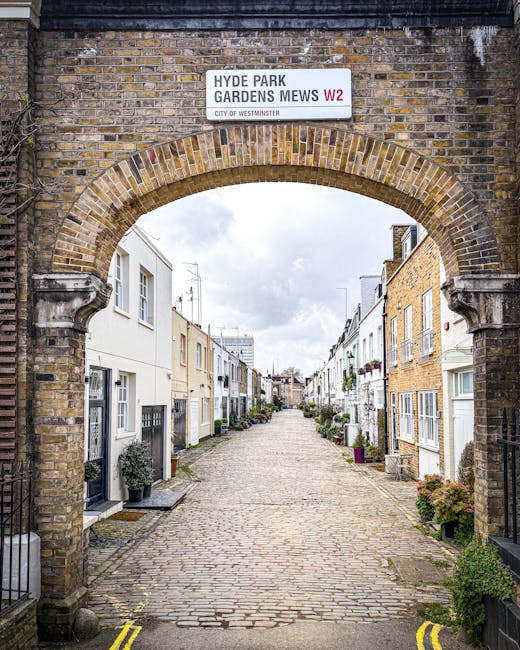
Access problems for Covent Garden garden maintenance in mews
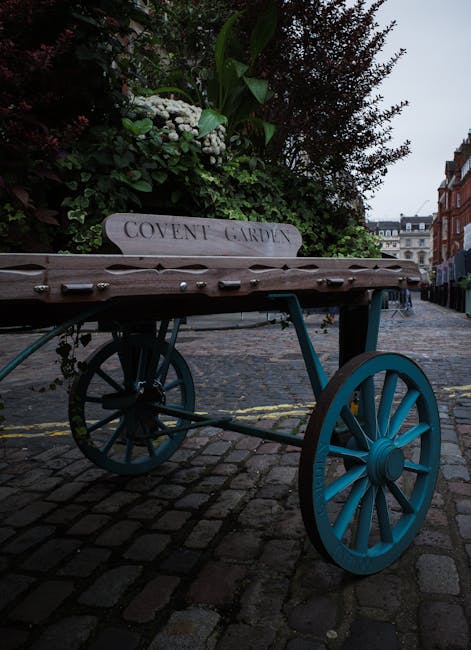
Anyone who has tried to get garden tools, green waste, or even a small mower into a Covent Garden mews will know the feeling: the gate is narrow, the alley is awkward, and the best route in suddenly turns into the most complicated bit of the job. Access problems for Covent Garden garden maintenance in mews are not just an inconvenience; they shape what can be done, how safely it can be done, and how long it will take.
That matters whether you are a homeowner, a managing agent, or a landlord looking after a tucked-away courtyard or rear garden. In mews streets, the practical challenge is often less about the planting and more about the logistics. This article breaks down what creates access issues, how professionals work around them, and what you can do to make garden maintenance smoother, safer, and a lot less stressful.
Why Access problems for Covent Garden garden maintenance in mews Matters
In a mews, access can decide the whole shape of the job. A garden that looks simple from the back door may turn into a careful carry, with equipment moved by hand, cuttings bagged in smaller loads, and every movement planned to avoid scuffs, noise, or disruption. That is not drama. It is just the reality of working in tight central London spaces.
For garden maintenance, access affects more than convenience. It affects safety, plant health, finish quality, and even whether the work gets done at all. If a team cannot bring in a hedge trimmer, chipper, mower, or waste bags efficiently, the job becomes slower and often more expensive. Truth be told, the best-looking gardens in mews settings are usually the ones with a sensible access plan behind them.
It also affects neighbours. Mews properties often sit close together, with shared walkways, limited turning space, and a constant awareness that someone else may be coming through. A well-run maintenance visit keeps that friction low. A poorly planned one creates blocked passages, repeated trips, and a lot of apologetic nodding in doorways.
If you are comparing services, it helps to look beyond the garden itself and into the logistics. A company that offers garden maintenance with mews access in mind will usually ask better questions at the start, which is a very good sign. The same goes for related work such as lawn mowing, hedge trimming, or garden clearance.
How Access problems for Covent Garden garden maintenance in mews Works
There is no single access problem in a mews. Usually, there are several at once. The trick is to identify them early and match the working method to the space available. That sounds obvious, but in practice it is where most delays get avoided.
Here is how a careful access assessment usually works:
- Review the site approach. The gardener checks gates, side alleys, shared entries, door widths, steps, low walls, and any obstructions such as bins or parked bikes.
- Check the load route. Tools, waste, compost, soil, and materials may need to be moved through a narrow or shared route. The route has to be realistic, not just technically possible.
- Match tools to access. Compact equipment, hand tools, folding bags, and smaller containers may be better than larger machinery. Sometimes the most efficient tool is the one that fits through the gate first time.
- Plan waste handling. Green waste needs a clean, safe exit. If access is tight, cuttings may need staged collection, smaller sacks, or a timed removal plan.
- Agree timings and neighbour considerations. In a mews, a good plan reduces disruption. Early notice can matter, especially where access passes close to homes or commercial units.
Some access problems are physical, like a locked gate or a steep step. Others are operational, like no safe place to set down tools or nowhere to leave waste without blocking the passage. And sometimes the issue is simply that the access is shared, so everyone needs to be kept informed. Easy to say, harder to manage on a rainy Tuesday morning, but absolutely manageable.
Where maintenance includes more than routine tidying, access planning becomes even more important. For example, landscaping or landscape gardening may involve materials, not just tools, while tree lopping and removal can require a much stricter approach to safe routes and waste movement.
Key Benefits and Practical Advantages
Solving access issues properly gives you more than a neat garden. It improves the whole service experience. In Covent Garden mews properties, that can make the difference between a job that feels chaotic and one that runs almost quietly in the background.
- Less disruption: Neighbours are less likely to be inconvenienced by repeated traffic through shared spaces.
- Safer working: A clear plan reduces trips, lifting strain, and awkward manoeuvres in tight spots.
- Better results: When the team can move efficiently, they spend more time on the actual garden.
- Cleaner finish: Smaller, staged waste removal helps keep pathways tidy and reduces mess.
- More accurate quotes: Once access is understood, pricing and time estimates tend to be more realistic.
There is also a quieter benefit: peace of mind. If your garden is looked after by people who understand access constraints, you do not need to keep explaining the same doorway, the same latch, or the same "please don't block the passage" request every visit. That bit alone can be worth a lot.
For owners who want one contractor to handle the wider outdoor space, access-aware maintenance also ties in neatly with related services such as decking services and broader services overview planning. Not every garden needs a grand redesign. Sometimes it just needs a cleaner, simpler way to get the work done.
Who This Is For and When It Makes Sense
This topic is relevant to a surprisingly wide group of people. If you have ever thought, "The garden is small, but the access is the real headache," then yes, this is for you.
- Homeowners in mews houses with rear gardens, roof terraces, or courtyard spaces.
- Landlords and letting agents who need outdoor areas maintained between tenancies or on a schedule.
- Managing agents responsible for shared entrances, communal planting, or rear access arrangements.
- Businesses with tucked-away outdoor areas, frontage planters, or private courtyards in central Covent Garden.
- Residents' associations dealing with shared responsibility for access, keys, or timed entry.
It makes sense to focus on access problems before booking any regular maintenance, but especially before bigger visits such as a seasonal tidy-up, a clearance, or a landscaping refresh. If there is overgrowth at the gate, awkwardly stored bikes, or a bin area that blocks the route, it is better to know in advance than discover it when the team arrives. We have all seen that slightly awkward moment when everyone is staring at a half-open gate and nobody wants to be the first to suggest moving the wheelie bins.
If you are still deciding how much support you need, it can help to look at pricing and quotes alongside the site layout. Access is one of the things that can shift a quote from standard to more bespoke, and fair enough too.
Step-by-Step Guidance
A solid access plan does not have to be complicated. It just has to be honest about the space you have.
1. Map the route from street to garden
Start with the simplest question: how does a person, tool, and waste bag actually get from the road to the work area? If there is more than one route, test the safest and least disruptive option. Sometimes the shortest way is not the best way.
2. Measure the pinch points
Gate width, step height, turning space, and surface condition all matter. A route that looks fine in daylight may feel different with a wheelbarrow, a bag of clippings, and a pair of gloves on a damp surface. Small details, big difference.
3. Decide what can be carried, folded, or broken down
Compact tools are often the answer in mews settings. Folding bags, smaller hand tools, lightweight blowers, and split loads can save time. The goal is not to carry less because you have to; it is to carry smarter because the space demands it.
4. Confirm access times and permissions
If access involves a shared passage, coded gate, concierge arrangement, or neighbour-held key, confirm it early. If the work is planned around residents being at home, say so. Simple coordination avoids the awkward "sorry, we thought someone else had the key" conversation.
5. Plan the waste exit before the work starts
Green waste can become a nuisance quickly if there is nowhere to stage it. Agree where bags will sit, how they will be removed, and whether the route needs to stay clear at certain times. A good recycling and sustainability approach helps here too, because more organised sorting usually means fewer trips and less mess.
6. Review safety on the day
Before work begins, take one more look at the path, surface, and weather. In a place like Covent Garden, a wet morning or a delivery parked where it should not be can change the plan fast. The job can still go ahead, just maybe with a different sequence.
Expert Tips for Better Results
In practice, the best access solutions are rarely the most complicated. They are the ones that feel calm, repeatable, and easy to stick to.
- Use a "first and last metre" mindset. The hardest part is often the final stretch into the garden. Focus on that section first.
- Reduce the number of trips. Bundle tasks where possible so the team is not shuttling back and forth all day.
- Keep gates and locks simple. If several people need access, overcomplicated arrangements tend to break down quickly.
- Choose low-noise methods where sensible. In mews streets, quieter working methods can be a real advantage.
- Leave a clear holding area. Even a small, agreed spot for tools or bags can make a huge difference.
One of the most useful habits is to treat access notes as part of the maintenance plan, not an afterthought. A quick message like "rear gate sticky, use side passage, avoid Monday morning deliveries" can save a lot of faff later. Slightly unglamorous, yes. Very effective, also yes.
If the access issue is linked to something structural, such as worn surfacing, tight boundaries, or a garden layout that simply does not flow, it may be worth speaking about broader landscaping adjustments. Sometimes a small design tweak solves a maintenance problem every single month.
Common Mistakes to Avoid
The biggest mistake is assuming that because a garden is small, the job will be simple. Small and simple are not the same thing. In mews properties, tiny spaces can be more demanding than larger gardens with open access.
- Not checking access before the visit. This is the classic one. It usually ends with delays and a rushed start.
- Forgetting waste handling. Green waste is easy to overlook until it piles up by a gate or on a shared path.
- Using oversized equipment. Bigger kit is not always better if it cannot be moved safely.
- Ignoring neighbours and shared routes. Access in mews settings often involves people as much as property.
- Leaving no contingency. If a gate is locked or a car blocks the route, the whole day can unravel unless there is a backup plan.
Another mistake is failing to match the service to the site. A one-off tidy may be fine with light tools, but a heavily overgrown area could need garden clearance first, followed by regular upkeep. If tree branches are the problem, or a hedge is squeezing the access route, those issues need their own plan. Fair enough, gardens do not always read the brief.
Tools, Resources and Recommendations
You do not need a warehouse full of specialist gear to solve mews access problems. What you need is a sensible setup that matches the location.
| Access challenge | Practical tool or method | Why it helps |
|---|---|---|
| Narrow gate or passage | Compact hand tools, foldable bags, smaller loads | Reduces manoeuvring and avoids damage |
| Shared access route | Timed visits, clear communication, tidy staging area | Minimises disruption and confusion |
| Limited waste exit | Staged bagging, regular clear-outs, planned collection | Keeps the route safe and uncluttered |
| Uneven or slippery surfaces | Good footwear, careful load sizing, slower movement | Improves safety and control |
| Complex site layout | Simple written access notes and route photos | Helps repeat visits run smoothly |
For many properties, the most useful resource is not a device at all, but a written access note kept with the maintenance schedule. A short note on keys, gates, hazards, and neighbour sensitivities can be worth more than an expensive piece of equipment you use once a year.
It is also sensible to review company policies when choosing a provider. Pages such as health and safety policy, insurance and safety, and about us help you judge whether the team is set up for careful work in constrained spaces.
Law, Compliance, Standards, or Best Practice
Access issues in garden maintenance are not usually about one dramatic legal rule. They are more about good practice, duty of care, and making sure work is carried out safely and responsibly. In the UK, anyone doing maintenance work should think carefully about site safety, manual handling, public or shared access, and avoiding unnecessary risk to residents and visitors.
In practical terms, that means:
- keeping routes clear where possible
- avoiding unsafe lifting or carrying methods
- using equipment that suits the site
- managing waste so it does not create trip hazards
- respecting shared entrances and neighbour access
If a garden is within a building with shared or managed access, the usual best practice is to confirm permissions before arrival, work within agreed time windows, and leave common areas as tidy as they were found. That last bit sounds basic, but it is one of those details people remember when it goes wrong.
Reputable providers should also be clear about payments, site assumptions, and what happens if access prevents the work from being completed as planned. You can usually check those expectations through pages like payment and security, terms and conditions, and complaints procedure. For privacy and data handling, the relevant policy pages should also be easy to find.
Best practice is not about overcomplicating the job. It is about removing avoidable surprises.
Options, Methods, or Comparison Table
Different access situations call for different methods. Here is a straightforward comparison of the most common approaches.
| Method | Best for | Pros | Trade-offs |
|---|---|---|---|
| Standard garden maintenance with compact tools | Moderate access constraints | Efficient, familiar, cost-effective | May still struggle with very tight routes |
| Staged maintenance visits | Gardens with limited waste exit or shared access | Less disruption, easier waste handling | May take longer across the week or month |
| Clearance first, maintenance second | Overgrown or blocked mews gardens | Restores usable access and visibility | Higher initial effort |
| Layout or landscaping adjustment | Repeated access failures caused by design | Long-term fix, improves flow | Needs more planning and sometimes more budget |
For a lot of Covent Garden mews properties, the best answer is not one method forever. It is a sensible mix. A clearance visit may reset the space, then regular maintenance keeps access manageable, and a small landscaping tweak makes the whole thing easier next time. That is usually the sweet spot.
Case Study or Real-World Example
Picture a small rear courtyard reached through a narrow passage behind a mews house. The space itself is tidy enough, but access is awkward: one gate opens inward, a bike is usually parked nearby, and the only waste route passes a shared doorway. Nothing impossible. Just fiddly.
In a case like this, the maintenance plan might look like:
- arrive at an agreed time when the passage is least busy
- carry in only the tools needed for that visit
- keep materials in smaller, manageable loads
- collect clippings in stages rather than leaving a single large pile
- remove waste in multiple bags so the exit stays clear
The result is usually better than trying to force a standard approach into a space that clearly does not want one. You get fewer interruptions, less noise, and a cleaner finish. More importantly, the client feels that the garden has been treated with care rather than just "done".
That distinction matters. In a dense urban setting, people notice the way work happens, not just the end result. A quiet, orderly, respectful approach travels a long way.
Practical Checklist
Use this checklist before any maintenance visit in a Covent Garden mews property:
- Confirm the exact access route from street to garden.
- Check gate widths, steps, and any tight corners.
- Make sure keys, codes, or permissions are ready.
- Identify any shared areas or neighbour-sensitive routes.
- Remove bikes, bins, and temporary obstacles if possible.
- Agree where tools and waste can be staged.
- Match equipment to the size and layout of the site.
- Set a realistic time window for the visit.
- Decide whether clearance or landscaping support is needed first.
- Keep a note of recurring access issues for future visits.
Expert summary: The best mews access plans are simple, repeatable, and built around the space you actually have. If the route is tight, make the work lighter. If the route is shared, make communication clearer. If the garden keeps fighting the process, change the process, not just the tools.
Conclusion
Access problems for Covent Garden garden maintenance in mews are common, but they do not have to be a permanent headache. Once you look at the practical realities - narrow routes, shared passages, limited waste handling, and neighbour sensitivity - the solutions become much clearer. Sometimes the answer is better planning. Sometimes it is smaller tools. Sometimes it is a little rethinking of the garden layout itself.
The key is to treat access as part of garden care, not an awkward side issue. When that happens, maintenance becomes smoother, the garden looks better for longer, and the whole experience feels far less stressful. And let's face it, in a mews, calm and tidy is already a win.
If you are ready to sort out a tricky access setup, explore the relevant service information and policy pages, then take the next step when you feel comfortable.
Get a free quote today and see how much you can save.
With the right plan, even the tightest Covent Garden mews can feel manageable. Small spaces can still be beautiful, and they are easier to live with when someone has thought the practical bit through.
Frequently Asked Questions
What are the most common access problems in Covent Garden mews gardens?
The most common issues are narrow gates, shared passages, limited turning space, awkward steps, blocked routes, and nowhere sensible to stage tools or green waste. Sometimes the garden itself is fine; it is the route in and out that creates the difficulty.
Can garden maintenance still be done if access is very tight?
Usually yes, provided the work is planned properly. Smaller tools, staged visits, careful waste handling, and clear coordination can make a big difference. Very tight access may take longer, but it does not always stop the job.
Does poor access make garden maintenance more expensive?
It can, because it often increases labour time and makes waste removal less straightforward. That said, the exact impact depends on the site. A clear access briefing usually helps keep pricing more accurate from the start.
Should I tell the gardener about access issues before they arrive?
Yes, absolutely. The earlier the better. Details like gate width, key arrangements, shared walkways, or nearby deliveries can save a lot of time and avoid a messy first visit.
What equipment works best for mews garden maintenance?
Compact and flexible equipment is usually best: hand tools, smaller bags, lightweight cutters, and methods that avoid unnecessary trips. In tight spaces, the best tool is often the one that can be moved safely and quietly.
How do gardeners usually handle green waste in narrow access areas?
They often bag it in smaller loads, stage it in a safe place, and remove it in a planned sequence. In some cases, waste is cleared several times during the job so the route stays open and tidy.
Is landscaping ever a better solution than repeated maintenance?
Sometimes, yes. If access keeps causing the same problem, a small landscaping adjustment can improve the layout and make regular maintenance much easier. It is worth considering when the issue keeps coming back.
What should I check before booking garden clearance in a mews?
Check the route for wheelbarrows or waste bags, make sure access permissions are sorted, and confirm where material can be placed temporarily. For overgrown spaces, a clearance visit is often the quickest way to restore workable access.
How can I reduce disruption to neighbours during garden work?
Choose sensible timings, keep shared routes clear, avoid blocking entrances, and give notice if the work will involve more traffic than usual. Quiet, tidy working habits go a long way in a mews street.
What if the access route changes from one visit to the next?
That happens more often than people think. Parking, deliveries, weather, and temporary obstructions can all change the picture. A good provider will reassess on arrival and adapt the plan rather than forcing the same approach every time.
Where can I find more information about your service standards and policies?
It is sensible to review pages like health and safety policy, insurance and safety, accessibility statement, and services overview so you understand how access, safety, and service planning are handled.
When should I ask for a quote instead of guessing the job size?
Ask for a quote as soon as access is likely to affect the time, tools, or waste handling. If the garden is in a mews and the route is awkward, a proper quote is far better than an optimistic guess. That saves everyone a headache later.